
 Español
 Français
 Português
 Italiano
Felts for diabetic foot

What is diabetic foot and why is it important to treat it?
Diabetic foot is a common complication in people with diabetes, characterized by a combination of neuropathy and vascular problems that can lead to the formation of ulcers and serious infections. Effective treatment of these conditions is crucial to prevent major complications, such as amputation.
What are the types of felt for diabetic foot offloading?
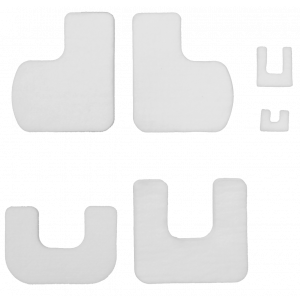
There are several methods to reduce and redistribute pressures on the diabetic foot, with felt offloading being one of the most commonly used due to its effectiveness and accessibility. These offloads are temporary protections designed to relieve pressure on specific areas of the foot, promoting the healing of lesions.
What are adhesive felts?
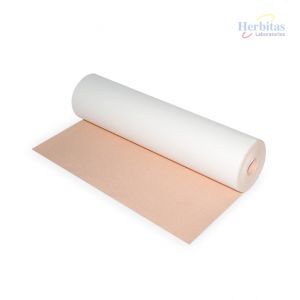
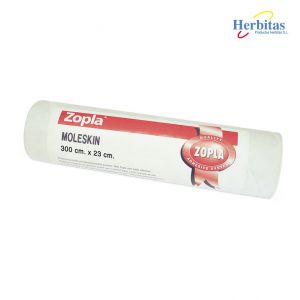
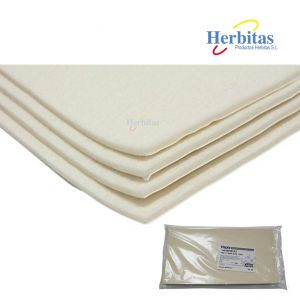
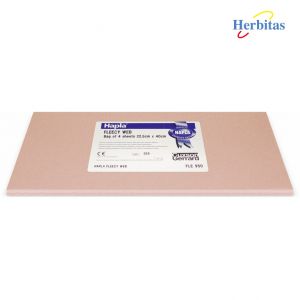
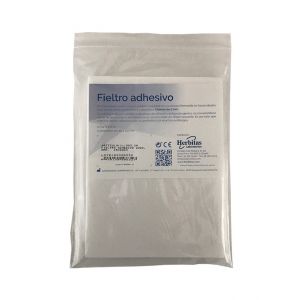
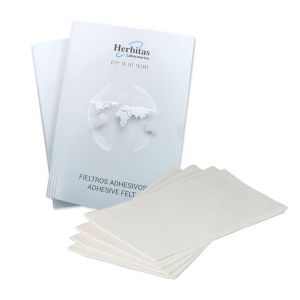
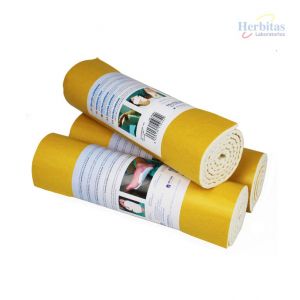
Adhesive felts are made from wool and cotton and are available in various thicknesses that can be combined according to the patient's needs. Their main advantage is the ability to provide immediate and personalized offloading, which is essential for the quick and effective treatment of diabetic foot lesions. These felts should be replaced every 48-72 hours due to material fatigue, ensuring constant and effective protection.
Advantages of adhesive felts:
- Customization: They allow for designing a specific offload for each patient, adjusting to the morphology of the foot and the location of the lesion.
- Speed: Their application is quick, allowing the effectiveness to be assessed in a few minutes.
- Compatibility: They are compatible with other local treatments, such as moist wound care or negative pressure therapies.
Why buy felt for diabetic foot offloading?
Felt for diabetic foot offloading is an essential tool in the treatment and management of diabetic foot complications. Their ability to relieve pressure, compatibility with other treatments, and customization options make them a highly effective choice. However, it is important to consider potential allergies and the need for frequent replacement when choosing this type of offloading.